
Losing a loved one can be painful and lead to emotional turmoil, often resulting in family disputes over possessions. This situation is common when someone dies without a valid will, which leads to the query, “How is a deceased estate distributed?”
In such cases, asset distribution is governed by a strict legal process established by the government. Let’s learn more about this.
Why is Statutory Hierarchy Essential for Intestate Estates?
A statutory hierarchy, established by laws like the Succession Act 2006 (NSW), provides a clear framework for distributing a deceased person’s assets when there is no valid will. This prevents legal confusion regarding inheritance and ensures that the process remains fair and transparent for all parties involved.
When someone dies intestate, the court appoints an Administrator, typically the next of kin, who is granted Letters of Administration to manage the estate, including tasks like settling debts and transferring property. This process involves some steps similar to the query, “What does it mean to liquidate an estate?“
It is also important to understand that the statutory hierarchy does not only apply when there is no will at all. A will can also be declared invalid if it was not properly witnessed, was signed under duress, or if the deceased lacked mental capacity at the time of signing. In these circumstances, the estate reverts to intestacy rules regardless of the document’s existence. This is why legal advice is strongly recommended before assuming a will is valid. Families who find themselves in this situation are often surprised by how quickly the process can escalate into a formal court matter, especially when significant assets or properties are involved.
Four Steps to Deceased Estate Distribution by Statutory Hierarchy
1. Application for Letters of Administration
The closest next of kin must apply to the Supreme Court of NSW for a Grant of Letters of Administration to act as the Administrator. They are responsible for identifying and valuing the deceased’s assets and liabilities. If you are unsure where to begin, reading about what is a deceased estate can provide useful context before approaching the court.
2. Payment of Debts
The Administrator must pay all outstanding debts, taxes, and expenses from the estate before beneficiaries receive any inheritance. At this step, understanding this question is crucial: What does it mean to liquidate an estate? Debts that commonly arise at this stage include outstanding mortgages, utility bills, credit card balances, and funeral expenses. None of these can be bypassed — creditors are always settled before beneficiaries.
3. Determining Beneficiaries
After debts are settled, the estate is distributed according to a statutory hierarchy under the Succession Act 2006 (NSW). Here’s how it looks:
- Spouse and Children
- Parents
- Distant Relatives
Once all claims are resolved and beneficiaries are confirmed, the Administrator completes the final distribution, transferring property and assets, and provides the beneficiaries with financial statements. If you need to understand the broader timeline involved, it helps to know how long after probate is granted it takes to receive an inheritance, as delays are common even after the legal steps are finalised.
4. Estate Clearance and Property Management
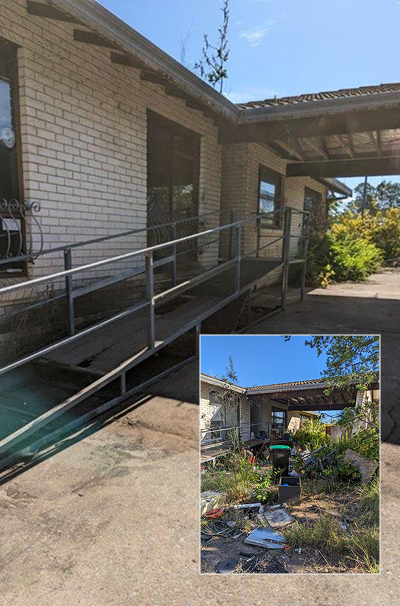
Once the legal distribution is complete, the physical work begins. The property must be cleared, cleaned, and prepared — whether for sale, transfer to a beneficiary, or rental. This is often the most overlooked stage of the process. Families dealing with how to clean out a deceased estate for the first time can find it physically and emotionally draining without the right professional support. Understanding how a deceased estate works without an executor is also helpful for families navigating this without formal legal representation.
Secure Transition to Estate Clearance with Deceased Estate Specialists!
The final distribution of an estate often marks the beginning of the physical management of the deceased’s property. After dealing with the legal aspects of asset distribution and “what does it mean to liquidate an estate,” engaging a professional deceased estate clearance team can be beneficial. Whether you need a full house clearance, assistance with decluttering services in Sydney, or need to understand how to present a house for sale after probate, Deceased Estate Specialists handles every step with professionalism and compassion. Contact us today to get started.