
The days following the loss of a loved one can be overwhelming, especially when managing their belongings. It’s essential to know not only what to do, but also what to avoid during the estate clearance process. Showing respect for the deceased, following legal steps, and seeking peace of mind for yourself and your family are crucial during this difficult time.
Let’s learn more about how to clean out a deceased estate.

Why Knowing What Not to Do Is the Foundation of Respectful Clearance?
If you’re not careful and don’t follow the rules, this process can quickly turn into a complicated and stressful situation, such as:
- Legal Liability
- Financial Loss
- Family Conflict
- Emotional Regret
Before beginning the physical clean-out, it is also worth understanding the legal framework that governs what you can and cannot do with the estate’s contents. Knowing when you can remove items from a deceased estate property is a critical first step — acting too early, before probate is granted or Letters of Administration are in place, can expose family members to legal complications.
Four Critical DON’TS in Cleaning Out a Deceased Estate
What should we consider? Let’s take a closer look below.
- Don’t Rush the Process: Take time to grieve before making significant decisions. Seek professional advice and ensure you have the legal right to proceed. Rushing often leads to items being discarded that are later discovered to have financial or sentimental significance. A measured approach also allows beneficiaries time to communicate their preferences before anything is removed or disposed of.
- Don’t Disregard the Will: Remember, the estate isn’t solely yours; discuss the distribution of items with beneficiaries and keep track of their preferences. If no valid will exists, the estate is distributed according to statutory hierarchy rules — understanding what is a deceased estate and how intestacy laws apply in NSW can help families avoid costly disputes.
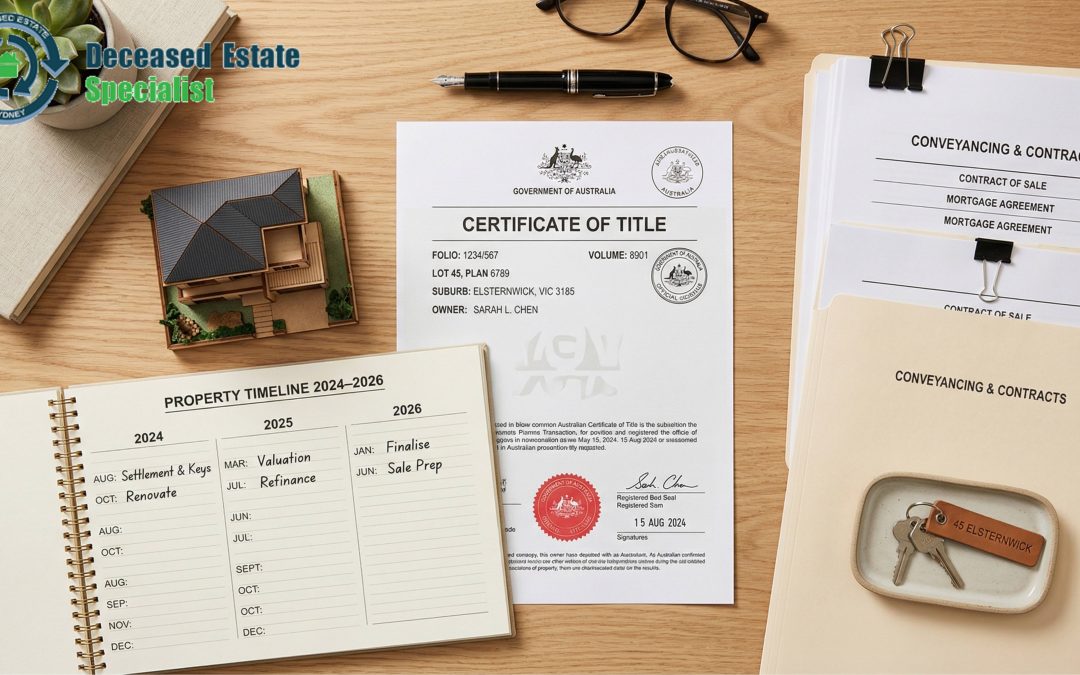
- Don’t Throw Away Any Paperwork: In learning how to clean out a deceased estate, professionals start by avoiding discarding documents without thorough sorting, as they may contain critical legal papers. Bank statements, insurance policies, property titles, and superannuation documents should all be set aside and reviewed carefully before any disposal decisions are made.
- Don’t Rely on Unprofessional or Personal Valuations: Don’t rely on personal opinions for valuing items; consult a professional appraiser for valuable belongings. Items that appear ordinary may hold significant resale or collectible value, while others assumed to be valuable may not be. Getting an independent assessment protects all beneficiaries and ensures the estate is distributed fairly.
What to Do Once the Don’ts Are Clear
Once you understand the common mistakes to avoid, the next step is building a practical action plan for how to clean out a deceased estate efficiently. Start by categorising belongings into keep, donate, sell, and dispose of — and work through one room at a time to prevent overwhelm. If the volume of items is significant, a professional deceased estate clearance service can manage the entire process, including the removal of deceased estate furniture and responsible disposal of unwanted items.
For properties that also require rubbish removal beyond furniture, combining the clearance with a household rubbish removal service is the most time-efficient approach. And if the home will be listed for sale after the clean-out, knowing how to present a house for sale in a competitive market can help maximise the final sale price.
Trust Deceased Estate Specialists’ Expertise!
Clearing a deceased person’s estate can be challenging, but knowing what to avoid is crucial for a smooth process. Deceased Estate Specialists are trained to manage critical details, including complying with legal requirements.
Our team’s expertise in “how does a house clearance work” can streamline a potentially lengthy process, relieving families of stress and honouring their loved one’s memory.