
Dealing with the legal aspects of a deceased estate while coping with the emotional impact of loss can be incredibly exhausting. Even with a solid plan in place, administrative tasks can quickly become overwhelming. Knowing what to expect in terms of timelines and requirements can help ease some of the stress during this challenging time.
A common question among beneficiaries is: How long after probate is granted does it take to receive an inheritance? In Australia, the process usually involves several mandatory notice periods and tax clearances that must be completed before funds distribution.
Let’s take a closer look at these timelines and requirements.
The Timeline After Probate
Once the court grants probate, it usually takes between 6 and 12 months in Australia. While probate itself confirms the will’s validity, executors must wait for the statutory notice period — often six months — to expire. This protects the executor from personal liability if unexpected debts or claims arise against the estate. It’s also worth understanding why it’s important to legally settle a deceased estate in Australia, as this process directly affects how quickly beneficiaries receive their inheritance. Consequently, even after the grant, you may wait several months to determine how long it takes to settle a deceased estate in Australia and receive the inheritance and ensure it meets legal safety standards. Familiarising yourself with the 3-year rule for a deceased estate in NSW is also worthwhile, as key tax concessions and timelines can affect the overall settlement process.
3 Steps to Receive Your Inheritance
For settlement success, three primary steps occur post-probate:
- Asset Liquidation: The executor collects all assets, sells property if required, and closes bank accounts. If the inherited property needs to be sold, it helps to know how to present a house for sale in a competitive market to maximise its value.
- Debt Settlement: All outstanding taxes, funeral expenses, and debts are paid from the estate funds. Understanding how a deceased estate works when there’s no executor can be especially important at this stage if the appointed executor is unable to fulfil their duties.
- Final Distribution: Once the waiting period ends and clearances are obtained, the executor distributes the remaining assets to beneficiaries. If you’re also asking when you can remove items from a deceased estate property, the answer is typically tied to this final stage, once legal authority has been formally established.
Let’s Manage Your Inherited Property!
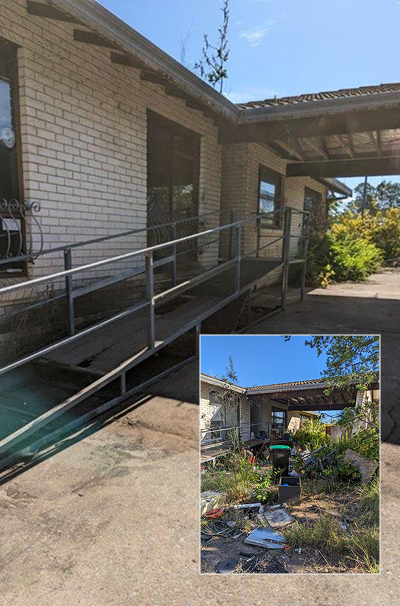
If you’ve inherited property after months or years of waiting, you are now in the next process of handling it — and it can feel overwhelming. Once you’ve received the keys, the property itself may need clearing, cleaning, and preparing before it can be sold or transferred. Our deceased estate clearance services cover everything from sorting belongings to preparing the home for sale. You can also browse our recent jobs to see how we’ve helped other families through this process.
Luckily, Deceased Estate Specialists offers cleaning and clearing services to handle the properties with care and respect.