
When someone we love passes away, they leave behind memories, belongings, and sometimes debts. Family members and executors often feel the need to sort through the deceased’s home quickly.
However, in Australia, there are specific laws governing how to handle these belongings and the estate. You might be wondering: Can you remove property from a deceased estate’s assets and liabilities? It’s important to follow the legal process rather than taking items immediately. Understanding what a deceased estate is and the obligations it carries is crucial during this time.
Can You Remove Assets and Liabilities?
Yes, you can move physical property for security and safekeeping. However, you cannot permanently distribute, sell, or remove it from the estate’s balance sheet until probate is officially granted. Read more about how a deceased estate is distributed once all legal steps have been completed.
In Australia, when a person dies, their estate becomes a legal entity. An executor must receive legal authority to act before anyone can remove items from a deceased estate. If there is no executor named in the will, learn about how a deceased estate works without an executor and what steps the family should take.
Three Rules to Follow Before Removing Property
There are three important rules you must follow to ensure everything is handled properly and to answer the critical question: Can you remove property from deceased estate liabilities and assets?
1. Obtain a Grant of Probate
First, the executors must secure a Grant of Probate from the Supreme Court to validate the will and manage the estate. Understanding whether you can sell a house in NSW immediately after probate is an important next step once probate is granted. It’s also worth knowing how long after probate is granted it takes to receive an inheritance, so all parties can plan accordingly.
2. Settle All Estate Liabilities
Executors must pay off the estate’s debts, including taxes and expenses, before distributing any assets to beneficiaries. This is also why understanding what it means to liquidate an estate is essential — particularly when assets need to be sold to cover outstanding liabilities. You may also want to understand why it’s important to legally settle a deceased estate in Australia to avoid family disputes and legal penalties.
3. Keep an Exact, Documented Inventory
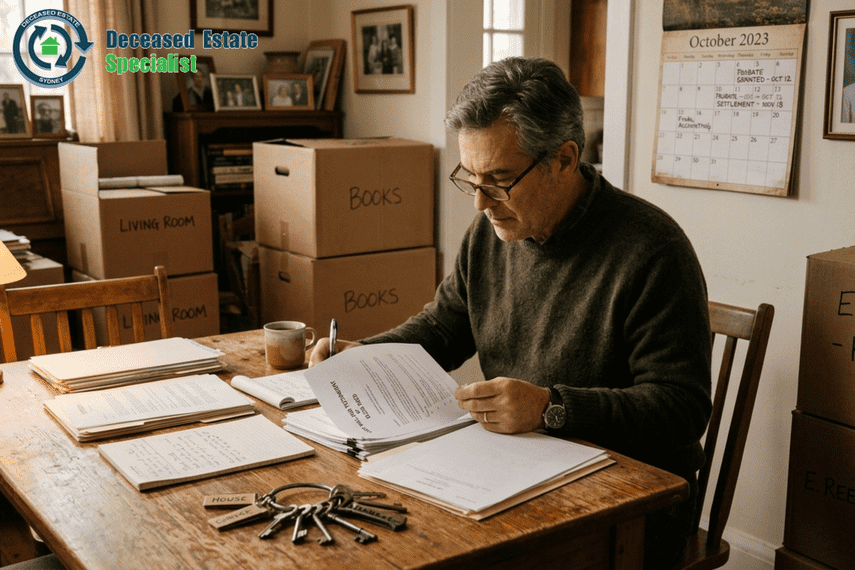
Document all items in the estate with photos and descriptions, especially if they need to be moved for security, to ensure transparency and prevent disputes. Knowing when you can remove items from a deceased estate property will help you act within legal boundaries at every stage.
Streamline the Final Steps with Professional Support
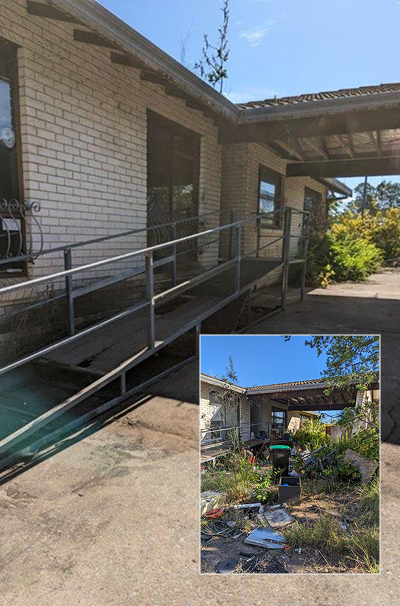
Once probate is granted, the process of clearing a deceased person’s home can be emotionally and physically challenging. Our team can also assist with removal of deceased estate furniture and full house clearance so the property is ready for sale or handover. It is advisable to hire a professional deceased estate cleaner to manage this final step with care and efficiency.
Trust Deceased Estate Specialists to prepare the property for sale or handover. Contact us today or check our FAQs if you have questions about how we can help.