

For many people in New South Wales, dealing with the legal challenges that come after losing a loved one can be an emotional and draining experience. Once the Supreme Court approves the deceased person’s will, a common question executors and beneficiaries often have is whether they can finally move forward.
Many find themselves standing in a family home filled with cherished memories, wondering if they can sell the property right away to help settle the estate.
So, can you sell a house in NSW immediately after probate?
Can You Sell Immediately? Yes and No.
In NSW, you can list and exchange contracts for a property “subject to the grant of probate” before probate is finalised. However, you cannot complete the sale and transfer the title until probate is granted and the property is transmitted to the executor. Once you have probate, you can settle the sale immediately.
3 Steps to Sell After Probate
Before you put up a sale sign, follow these essential steps:
1. Getting the House Ready to Sell
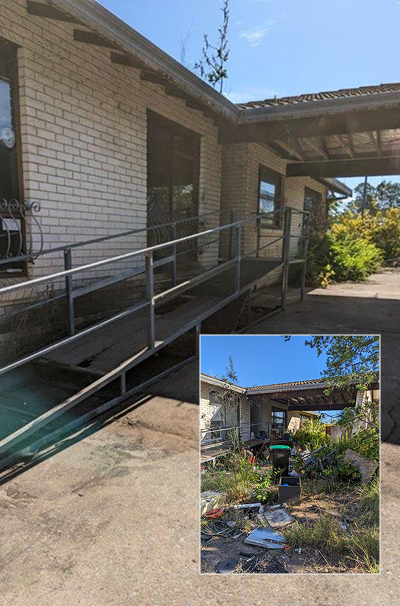
If the house has been lived in for many years, it likely needs some cleaning and repairs to make it more appealing to potential buyers. So, how to present a house for sale? Taking the time to declutter and fix things up can help you sell it more easily.
2. Getting the Necessary Legal Approval
First, make sure the Supreme Court has given you the official approval to handle the deceased person’s affairs. Next, your lawyer needs to file a “Notice of Death” or “Transmission Application” with the Land Registry.
3. Getting a Property Valuation
It’s important to get a professional appraisal or formal valuation of the property. This helps ensure the house is sold at a fair price, protecting you from disagreements with other family members or beneficiaries.
Why Trust Deceased Estate Specialists?
If the answer to the query “Can you sell a house in NSW immediately after probate?” is yes, this can be challenging due to the large number of belongings left behind.
Luckily, Deceased Estate Specialists handle the physical and emotional aspects of sorting through items, helping to prepare the home for the market and maximise its sale price.