
Three main elements determine the answer to, “How much does a house clearance cost in Australia?”
- Volume and Weight: The total amount of debris is the biggest factor. Larger loads require more transport trips and higher disposal fees. If the property has years of accumulated items, you may also want to consider professional decluttering services to sort through belongings before the clearance begins.
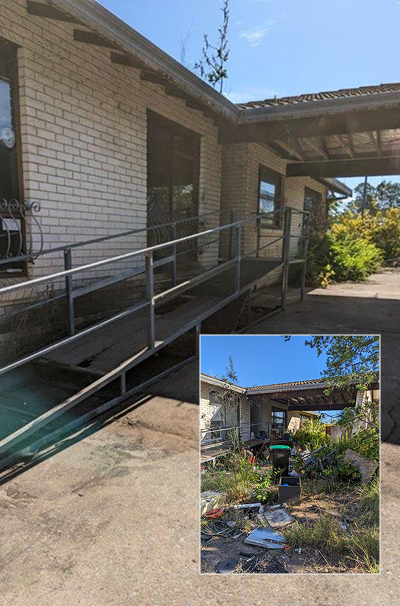
- Accessibility: If a team has to navigate narrow hallways or multiple flights of stairs, the labour time increases. Properties that have been left unmanaged for extended periods — such as those being handled as part of a deceased estate clearance — can present additional accessibility challenges that affect the overall cost.
- Waste Type: Hazardous materials or heavy items like concrete require specialised handling, which changes costs, including safety protocols and pricing. For properties involving excessive clutter, it’s also worth understanding what the average cost to clean a hoarder’s house is, as hoarding situations often involve similar waste type complexities.
Cleaning is a task that many of us have been dealing with since we were kids. However, as life gets busier, keeping up with cleaning can feel like a massive undertaking that often exceeds our available time. With so many responsibilities to juggle, the idea of doing a thorough decluttering can be daunting.
Because of this, many people in Australia choose to hire professionals to help them save time. The key question that often comes up, though, is: how much does house clearance cost in Australia?
Estimating the Costs
When planning a house clearance in Australia, it’s important to know what this service might cost so you can budget accordingly. Prices can vary depending on where you live and how much stuff you need to clear out. If you’re also dealing with unwanted rubbish on a budget, it’s worth reading about the cheapest way to get rid of rubbish in Sydney to explore your options before committing to a full clearance service.
3 Factors Influencing Your Quote
For settlement success, three primary steps occur post-probate:
- Asset Liquidation: The executor collects all assets, sells property if required, and closes bank accounts. If the inherited property needs to be sold, it helps to know how to present a house for sale in a competitive market to maximise its value.
- Debt Settlement: All outstanding taxes, funeral expenses, and debts are paid from the estate funds. Understanding how a deceased estate works when there’s no executor can be especially important at this stage if the appointed executor is unable to fulfil their duties.
- Final Distribution: Once the waiting period ends and clearances are obtained, the executor distributes the remaining assets to beneficiaries. If you’re also asking when you can remove items from a deceased estate property, the answer is typically tied to this final stage, once legal authority has been formally established.
We Support Sensitive Transitions!
If you’re taking care of a property after a loss, you might not be thinking about “how does a house clearance work” and “what it costs.” It’s important to get help from Deceased Estate Specialists who offer compassionate, expert assistance. Browse our recent jobs to see how we’ve supported families through house clearances across Sydney, or check our FAQs for answers to common questions about the process.